7 Tips To Select the Best Security Camera System for Your Business
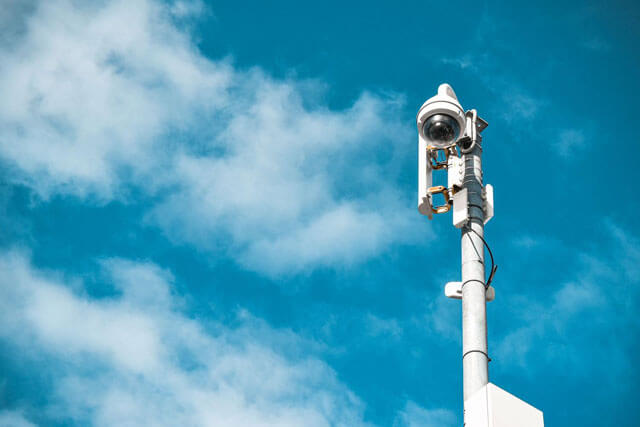
Security cameras can play an important role in protecting your business, but not every camera system provides the same level of protection and not every business has the same security needs.
A small office monitoring a few entrances has very different needs from a construction site with valuable equipment outdoors or a distribution facility operating around the clock. The best security camera system for your business is one designed around your property, risks, operating hours, and the areas you need to protect.
If you're installing a new system or replacing outdated cameras, here are some of the most important things to consider before making your decision.
1. Start With What You Need Your Cameras to Protect
Before comparing cameras, resolutions, or features, start with the reason you're investing in video surveillance in the first place.
Walk through your property and identify the areas where an incident is most likely to happen or would have the greatest impact on your business. These might include:
- Entrances and exits
- Parking lots
- Building perimeters
- Loading docks
- Equipment or storage yards
- Areas containing valuable inventory
- Restricted areas
- Cash handling locations
From there, think about the problems you're trying to address. Are you primarily concerned about break-ins after hours? Theft or vandalism? Unauthorized people entering your property? Employee safety?
Your answers will influence everything from camera placement to whether professional monitoring makes sense.
A commercial security provider can also conduct a risk assessment to identify vulnerabilities and recommend protection based on the actual risks your business faces. Securco, for example, uses individual risk assessments rather than applying the same security plan to every property.
2. Choose Cameras for the Environment
There isn't one type of security camera that's best for every part of a commercial property.
Indoor and outdoor spaces can have very different requirements. An outdoor camera may need to withstand rain, wind, temperature changes, and low-light conditions, while an indoor camera might prioritize discreet placement or a wide field of view. You'll also want to consider what you need to see.
If you're monitoring a large parking area, your requirements will be different from a camera focused on a single doorway. Some environments may also benefit from specialized technology. Thermal imaging, for example, detects heat rather than relying on visible light and can provide additional visibility in darkness or challenging conditions.
Rather than choosing cameras based on specifications alone, consider where each camera will be installed and what you need it to capture.
3. Consider Image Quality and Low-Light Performance
Clear footage matters, particularly if you need to review an incident after it happens.
Higher-resolution cameras can capture greater detail, but simply choosing the highest resolution available doesn't automatically give you the best system. Lighting, camera placement, field of view, storage requirements, and the distance between the camera and the area you're monitoring all affect the usefulness of your footage.
Nighttime performance is particularly important for businesses concerned about after-hours activity. Ask yourself whether your cameras can provide useful footage under the actual conditions they'll encounter—not just in a well-lit showroom.
4. Decide How You Want Footage Stored and Accessed
When choosing a camera security system for your business, you'll also need to determine how footage will be recorded, stored, and accessed. Depending on the system, footage may be stored locally, through network-connected recording equipment, in the cloud, or using a combination of storage options.
Consider:
- How long you need to retain footage
- Who needs access to recordings
- Whether you want to view cameras remotely
- How much video your system will generate
- How easily you can locate footage after an incident
- How your footage and system access will be secured
Many modern systems also allow authorized users to monitor their facilities remotely from a mobile device, providing additional visibility when they're away from the property.
5. Think About Whether You Need Live Video Monitoring
There's an important difference between having cameras that record an incident and having someone available to respond while it is happening.
Traditional video surveillance can provide valuable evidence after theft, vandalism, or a break-in. Live video monitoring adds a more proactive layer of security by having trained professionals monitor camera feeds and respond to suspicious activity in real time.
Depending on the situation, operators may be able to assess an event, issue a warning, or contact authorities. Securco also offers special-attention monitoring for higher-risk areas and virtual escorts for employees walking to their vehicles after a shift.
Live monitoring can be particularly valuable for businesses with large outdoor properties, valuable equipment, limited after-hours staffing, or recurring problems with trespassing and theft.
6. Look for a System That Can Work With Your Other Security Measures
A comprehensive commercial security setup may combine video surveillance with intrusion alarms, access control, monitoring, and other security technology. Securco provides these services as part of broader commercial security plans for businesses across Vancouver Island.
Bringing multiple layers of security together can give you a clearer picture of what is happening on your property and make the overall system easier to manage.
It's also worth thinking about your future needs. If you add another entrance, expand your building, increase inventory, or open another location, can your security system grow with you? Choosing scalable technology can make future changes much easier.
7. Don't Choose a System Based on Price Alone
Budget matters, but the least expensive security camera package isn't necessarily the most cost-effective option over the long term.
A system that leaves important blind spots, produces unusable nighttime footage, or doesn't provide the monitoring you actually need may offer limited value when an incident occurs.
When comparing quotes, look at the complete solution, including:
- Equipment quality
- Camera coverage
- Installation
- Video storage
- Monitoring costs
- Warranties
- Technical support
- Maintenance
- Future scalability
Professional installation is also worth considering. Camera placement can significantly affect what your system captures, and an experienced security provider can help determine where cameras will provide useful coverage rather than simply installing them wherever it's most convenient.
Finding the Best Security Camera System for Your Business
So, what is the best security camera system for a business? The right system should be built around the property you're protecting and the security concerns you actually face. A business with a large equipment yard may prioritize perimeter cameras and live monitoring, while an office may place greater emphasis on entrances, common areas, and integration with access control.
For more than 45 years, Securco has helped commercial and industrial businesses across Vancouver Island develop security solutions based on their individual needs. Rather than relying on a one-size-fits-all package, our team can assess your property and recommend a combination of cameras, surveillance, monitoring, and other security measures designed around your business.
If you're considering a new camera system or wondering whether your current setup is still providing the protection you need, contact Securco for a security assessment and customized quote.